Mac Johnson Roofing builds full roof replacements for Florida conditions. We inspect the decking, install synthetic underlayment, and use wind rated systems engineered for Gainesville heat, humidity, and storm season. If your roof shows widespread wear or repeated leaks, replacement protects your home for the long run.
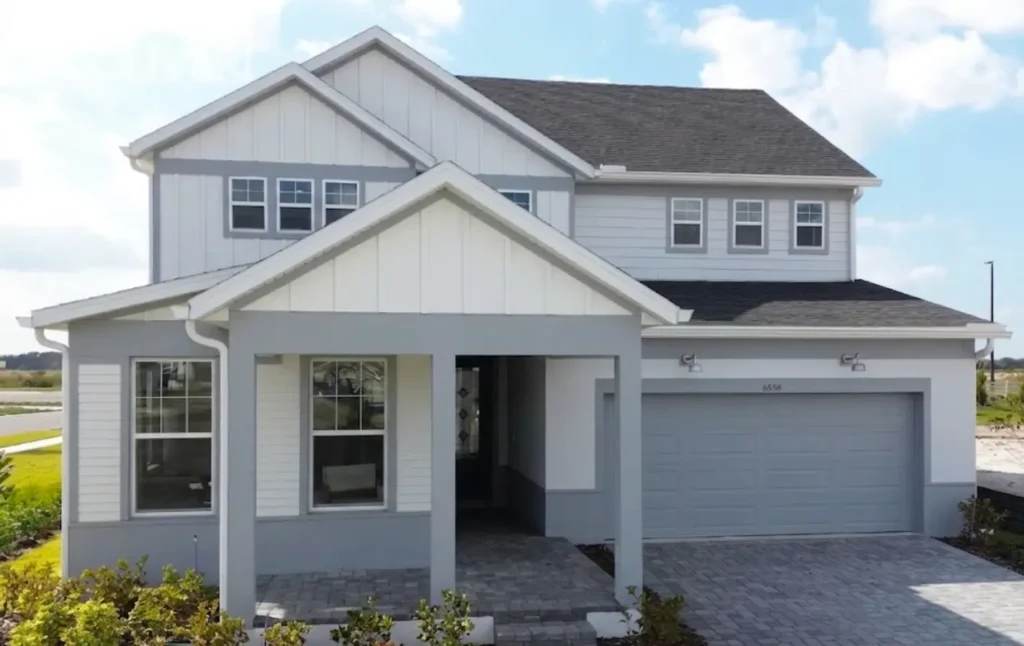
Why Gainesville Roofs Wear Out Faster Than Most Homeowners Expect
Most Gainesville homeowners wait too long. By the time water stains appear on ceilings, damage has already spread through the decking and insulation.
This area sees more than 190 days of intense sun each year. Add high humidity, heavy summer rain, and hurricane season, and every layer of a roofing system takes constant stress. UV rays break down asphalt and cause granule loss. Heat and moisture weaken flashing seals over time. Humidity warps plywood and OSB decking when attic ventilation falls short. Hurricane season adds wind stress on top of all of it. Lifted ridge caps and loosened starter strips let water into wall cavities fast.
Homes along NW 43rd Street, Tower Road, and SW Archer Road show these patterns often. Older construction in Newberry, Archer, and Micanopy frequently carries underlayment and decking that has moved past the point where repair makes financial sense. A full roof replacement in Gainesville, FL addresses these vulnerabilities at once, instead of patching one symptom at a time.
Repair or Replace? How Gainesville Homeowners Can Tell the Difference
Localized damage can often be repaired correctly. Some conditions mean the whole system needs replacement instead.
Look for these warning signs in Gainesville homes:
- Curling or cracked shingles across large roof sections from prolonged UV exposure
- Multiple leaks or recurring water stains in different rooms
- Sagging or soft spots in attic decking, often hidden under insulation
- Worn flashing and ridge caps that fail under wind driven rain
- Visible granule loss across most of the shingle surface
- A roof over 20 years old showing any of the signs above
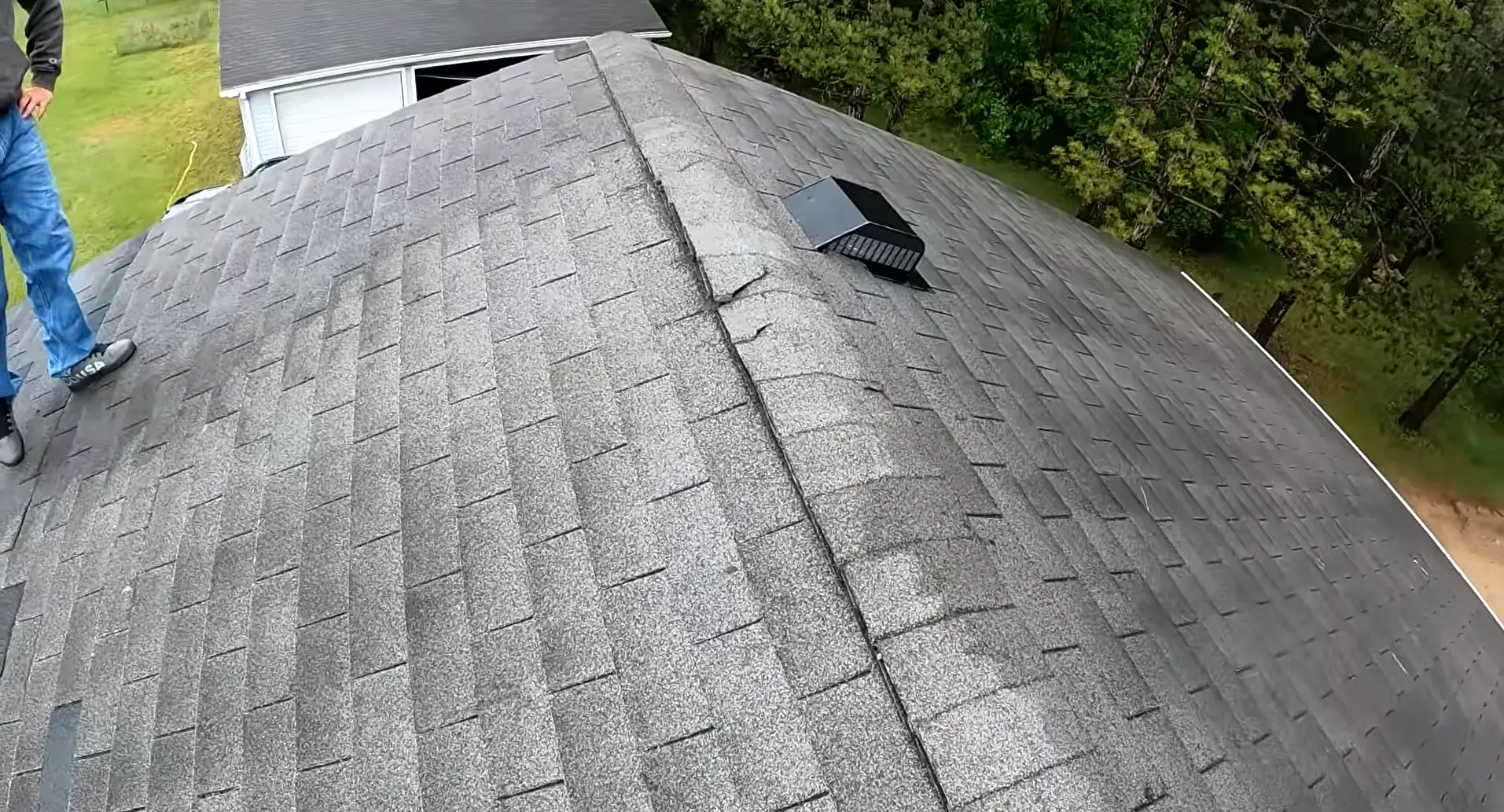
When several of these signs appear together, patching will not hold in Florida conditions.
Homeowners who patch repeatedly often spend more over three to five years than a full replacement would have cost upfront. Each failed repair adds another service call. Hidden decking damage keeps growing between visits. Poor attic ventilation works against the new material every time. Partial repairs can also complicate insurance claims by obscuring the original storm damage.
In Newberry, Jonesville, and Archer, roofs face heavy rainfall and UV exposure at the same time. These conditions accelerate wear faster than the national average. Homeowners who act before conditions compound avoid mold remediation, interior rebuilding, and the added cost of deferred work.
What a Full Roof Replacement Actually Involves
A roof replacement is a full system rebuild. Mac Johnson Roofing treats it that way on every project.
Deck Inspection and Decking Replacement Before Anything Goes On Top
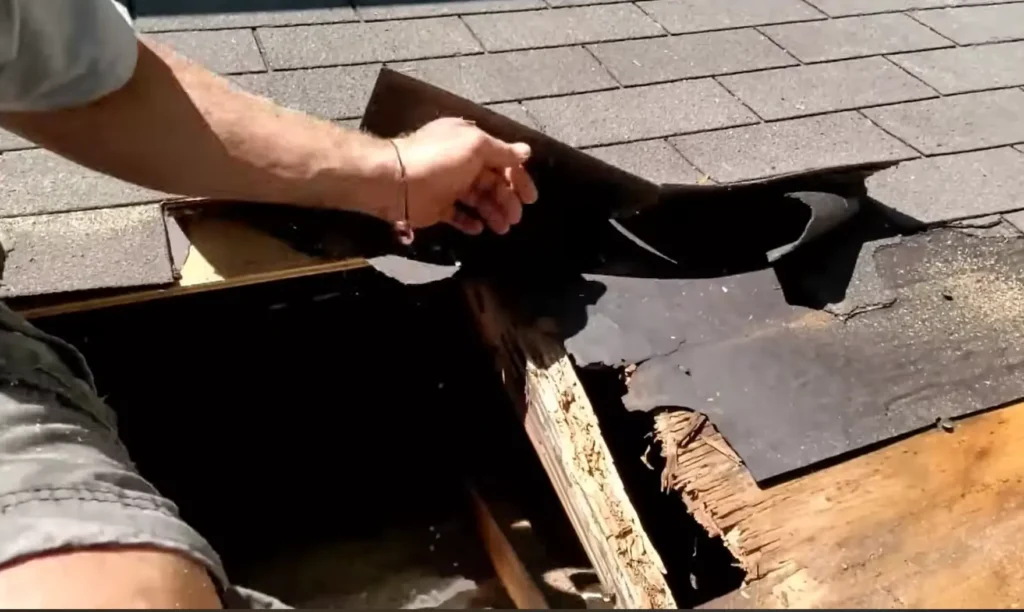
The roof deck is the structural base everything else depends on. High humidity and heavy rainfall cause hidden rot and soft spots even when shingles look intact from below. We inspect every deck section after tear off, checking for water damage in valleys, warped plywood near chimneys and skylights, and structural weakening from long term moisture. Older homes around Tower Road and NW 43rd Street often need partial or full decking replacement before new material can perform correctly.
Why Synthetic Underlayment Matters More in Florida Than Almost Anywhere Else
Underlayment sits between the roof deck and the visible roofing material. Standard felt underlayment degrades fast under Florida sun during open installation. Synthetic material resists UV exposure, sheds moisture instead of trapping it, and stays intact through the heat cycles of every Gainesville summer. The right underlayment adds real years to a roof’s lifespan.
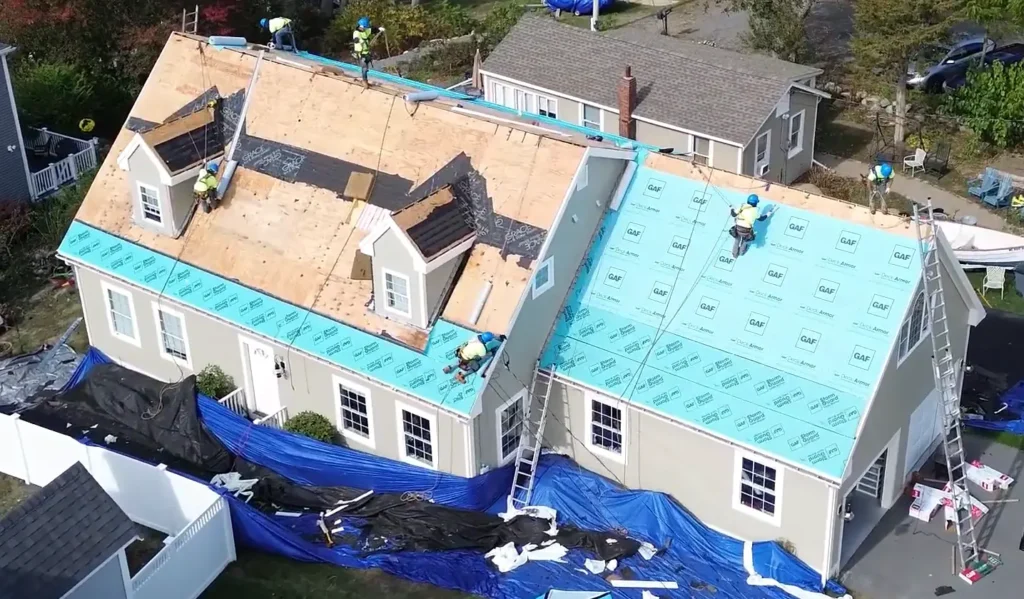
Flashing, Ridge Caps, Starter Strips, and Wind Rated Installation
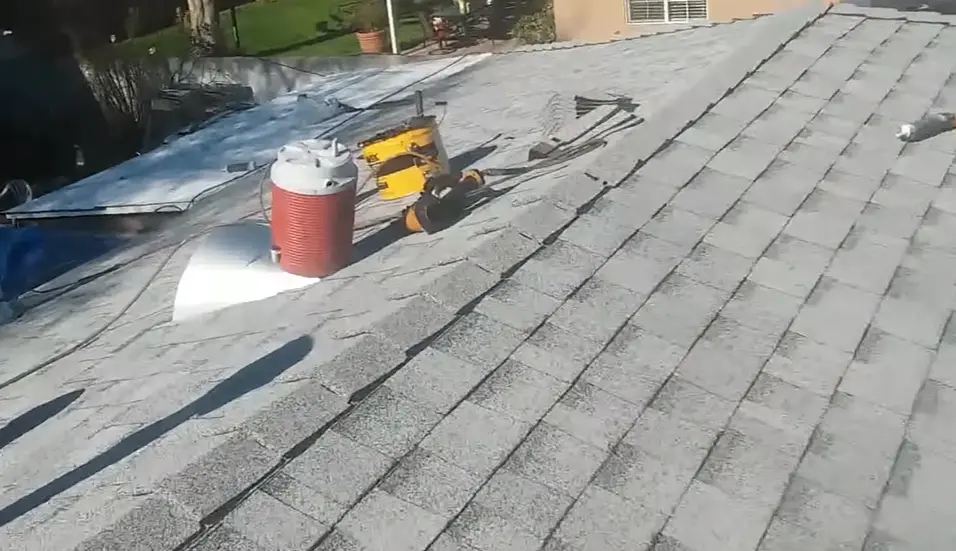
Water almost always enters a roof at transition points. Every Mac Johnson Roofing replacement includes properly seated metal or composite flashing at each penetration, starter strips along the eaves for wind uplift resistance, and ridge caps fastened to Florida Building Code requirements. Wind rated shingles and metal panels go on in patterns that meet or exceed Alachua County wind load standards. Homes in open areas near Archer and High Springs need this attention most.
How Attic Ventilation During Replacement Protects Your New Roof
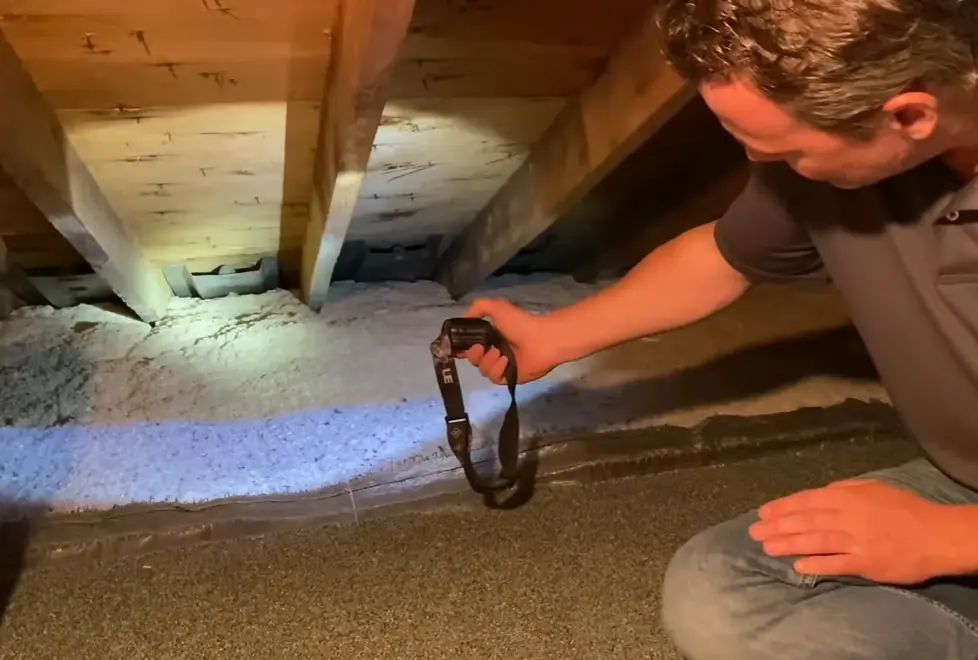
Poor ventilation is one of the most overlooked causes of early roof failure in Gainesville. Trapped heat and humidity degrade shingles and underlayment from the inside before any surface damage shows. During every replacement, we check ridge vent placement and soffit intake continuity. Where older homes near the University of Florida carry inadequate ventilation, we correct it as part of the project. This lowers attic temperatures, slows material breakdown, and reduces cooling costs year round.
Roofing Materials for Gainesville Homes: A Direct Comparison
Why Most Gainesville Homeowners Choose Architectural Shingles
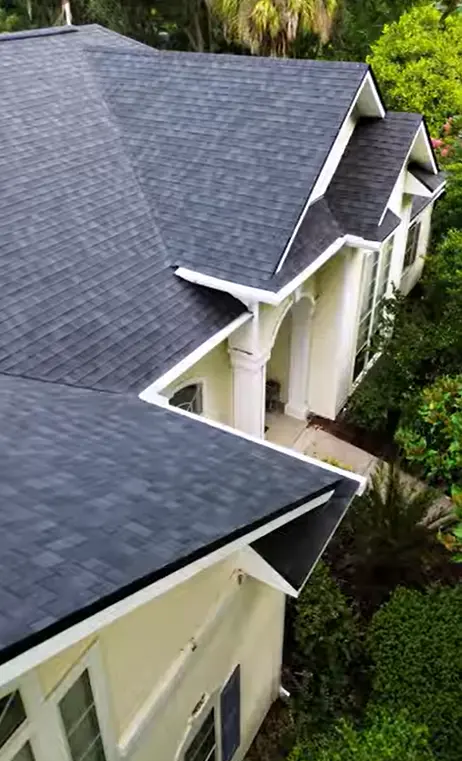
Architectural shingles remain the most common choice for roof replacement in Gainesville. Their layered design adds strength over basic three tab shingles. Many meet Florida wind ratings required under local code. Thicker composition slows UV degradation, and granule coatings protect the asphalt base. Typical lifespan in Florida conditions runs 20 to 25 years with correct installation and ventilation. Homes in NW Gainesville and near Haile Plantation and Tioga hold up well under this material through daily heat cycles and seasonal storms.
Metal Roofing for Long Term Value Against Heat, Wind, and UV
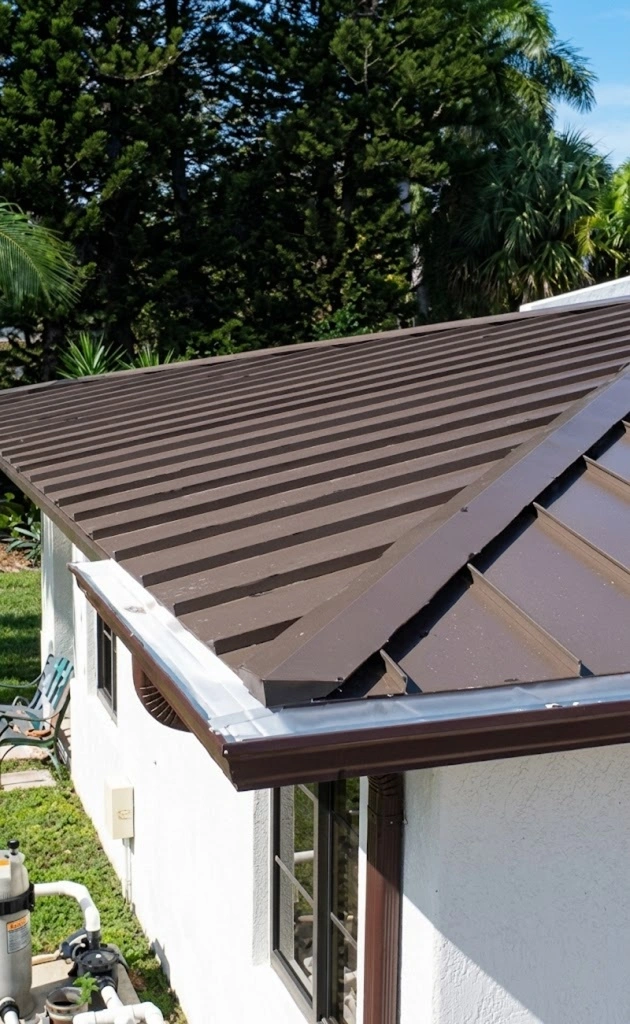
Metal panels reflect radiant heat instead of absorbing it, which lowers attic temperatures through long Gainesville summers. Properly installed systems often last 40 years or more. Standing seam systems offer the highest durability. Exposed fastener systems cost less upfront but need periodic inspection. Homes in Jonesville and along Newberry Road, where sun exposure runs high, benefit most from metal roofing. The higher upfront cost pays off across the full system lifespan.
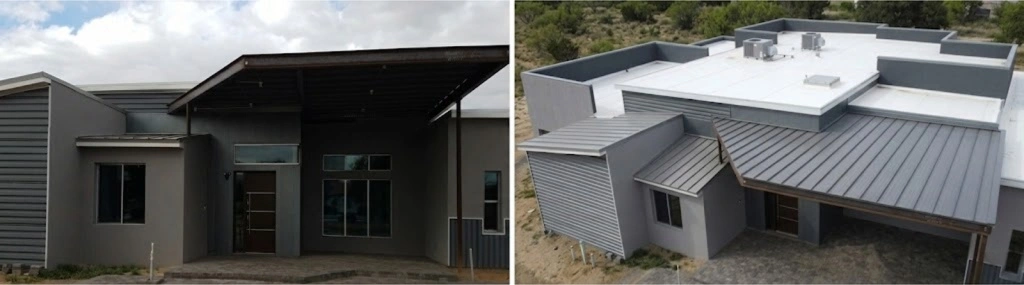
Flat and Low Slope Roofing for Commercial and Select Residential Properties
Commercial buildings and some residential designs in Gainesville use low slope systems. These need membrane materials such as TPO, PVC, or modified bitumen. Drainage design, seam integrity, and UV resistance matter more on flat roofs than on sloped ones. Older homes in Micanopy and parts of Alachua County with low slope sections need dedicated attention during a full replacement.
As an Owens Corning Preferred Contractor, Mac Johnson Roofing installs each of these systems with manufacturer backed warranty coverage most contractors cannot offer.
What Roof Replacement Costs in Gainesville, FL
Every project differs. Roof size, pitch, material choice, decking condition, ventilation needs, and Florida Building Code requirements all affect the final number. Most Gainesville homeowners fall within these ranges.
Architectural shingles: $7,000 to $14,000 for an average sized home
Metal roofing systems: $14,000 to $30,000 or more, depending on system type
Flat and low slope systems: $8,000 to $18,000, depending on membrane and drainage design
Homes near Archer Road with aging decks and outdated ventilation typically need more structural work than newer builds in Jonesville. Waiting on a damaged roof almost always raises the final cost. Water spreads fast in Florida conditions.
We also offer financing options to help homeowners move forward without delay. For a full breakdown of what drives roofing costs in this market, see our Gainesville Roof Replacement Cost Guide.
Storm Damage, Insurance Claims, and the My Safe Florida Home Program
Storm damage drives many roof replacement projects across Alachua County. Protecting your claim starts before the adjuster arrives.
Photograph visible damage before any temporary repairs. Capture missing shingles, lifted edges, dented metal panels, and damaged flashing. Check interior ceilings and attic spaces for water stains too. Record the storm date, since insurance companies match claims against local weather records.
Most Florida policies cover sudden storm damage from wind or hail. They do not cover normal aging or neglected maintenance. On an older asphalt roof, an adjuster may apply partial coverage based on age. Knowing this before you file helps you plan for any remaining cost.
Be present during the adjuster’s inspection.
Ask directly whether decking, underlayment, and flashing are included in the scope. Florida law allows homeowners to request supplements when damage gets missed the first time. Storm patterns across Micanopy, Newberry, and southwest Gainesville often combine wind and rain damage beneath the shingle surface, so a full evaluation protects both your claim and your home.
Florida homeowners built before 2008 may also qualify for the state’s My Safe Florida Home program.
It pairs a free, state assigned wind mitigation inspection with a matching grant, often up to $10,000, for roof to wall connection reinforcement, roof deck attachment upgrades, and other hardening work the inspector recommends. Funding runs in cycles and eligibility depends on income and home value, so check current status at mysafeflhome.com before assuming your project qualifies. Even homeowners who do not pursue the grant can use the free inspection report to discuss wind mitigation discounts with their insurance carrier.
Florida Building Codes, Wind Mitigation, and Permits
Every roof replacement in Gainesville must meet Florida Building Code wind resistance standards. These cover wind uplift ratings for materials, nail spacing patterns, starter strip requirements, and roof to deck attachment standards. Homes with code compliant roofing often qualify for better insurance terms and lower premiums.
Permits create a documented record that your roof meets current safety standards. The process includes material review, staged inspections, and final approval. Skipping permits can cause failed inspections at resale, denied insurance claims after a storm, and installation problems that go unnoticed for years. In older neighborhoods like Waldo and Micanopy, replacement projects often trigger code updates that permits make sure happen correctly.
How Long Does Roof Replacement Take in Gainesville?
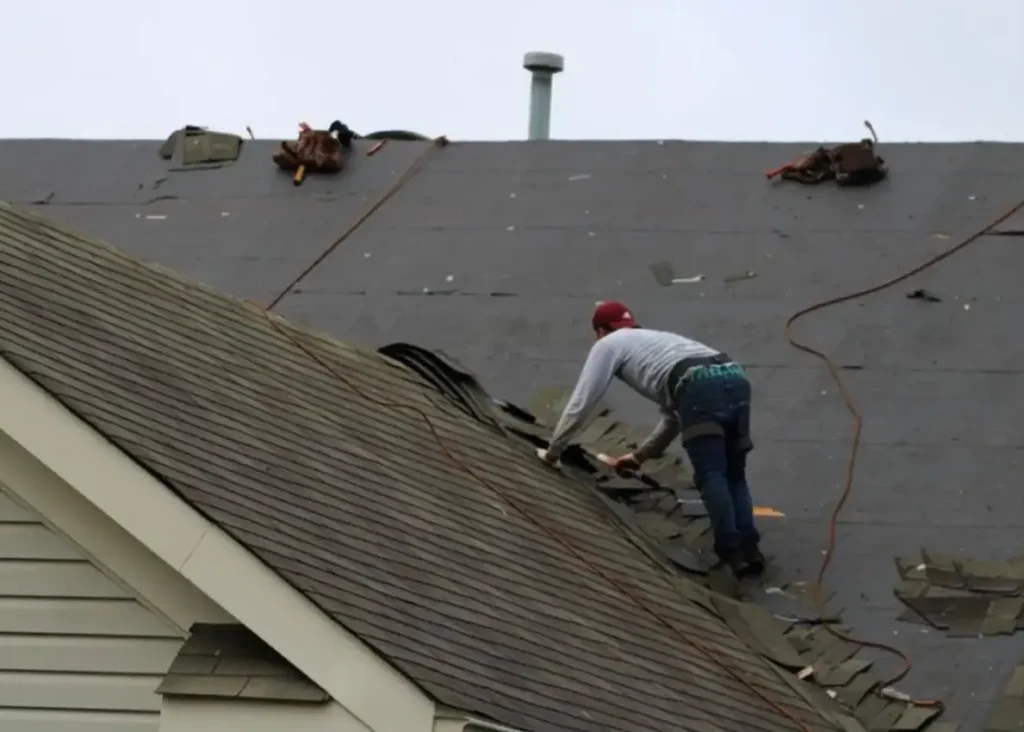
Most Gainesville residential roof replacements finish in two to four days.
Day one covers full tear off and deck inspection. Day two focuses on deck repairs, synthetic underlayment, drip edges, and starter strips. Day three brings shingle or metal installation, flashing, and ridge caps. Day four handles final detail work, seal point checks, and full property cleanup, including a magnetic sweep for stray nails.
Florida weather can shift these timelines. Scheduling ahead of hurricane season reduces delays. Homeowners in High Springs and Waldo who plan replacement before peak storm months tend to avoid emergency timelines later.
How Your New Roof Affects Gainesville Utility Bills
Your roof controls how much heat enters your home every day. Metal roofing reflects the most solar heat of any common material. Architectural shingles with reflective granules outperform older three tab systems by a wide margin. Correcting attic ventilation during replacement often makes the biggest practical difference of all. Ridge vents and continuous soffit intake push hot air out before it reaches living spaces. Older Gainesville homes with outdated ventilation typically see a measurable drop in cooling costs after a properly ventilated replacement.
Areas We Serve for Roof Replacement
Mac Johnson Roofing handles roof replacement across Gainesville and the surrounding Alachua County communities. Newberry homes face direct sun and need strong ventilation with heat reflective materials. Archer properties deal with open wind exposure and need durable fastening systems. High Springs homes often carry aging decks that need structural upgrades. Micanopy properties under tree cover benefit from algae resistant shingles and proper drainage. Waldo and Hawthorne homeowners in open terrain need wind rated installation across every roof edge. Closer to the city, we replace roofs in established neighborhoods around the University of Florida and newer developments like Haile Plantation and Tioga, from Paynes Prairie on the south end of town up to the Gainesville Regional Airport corridor on the northeast side.
Roof Replacement Questions Gainesville Homeowners Ask Most
Schedule Your Free Roof Replacement Inspection in Gainesville Today
If your roof shows wear, storm damage, or repeated leaks, Mac Johnson Roofing gives you clear answers in one visit. We assess decking, underlayment, ventilation, flashing, and material condition. No pressure. No guesswork.
Call (619) 776-0755 or visit our Gainesville showroom Monday through Friday, 7:00 AM to 4:00 PM.
Your home deserves a roof built for what Florida actually throws at it.