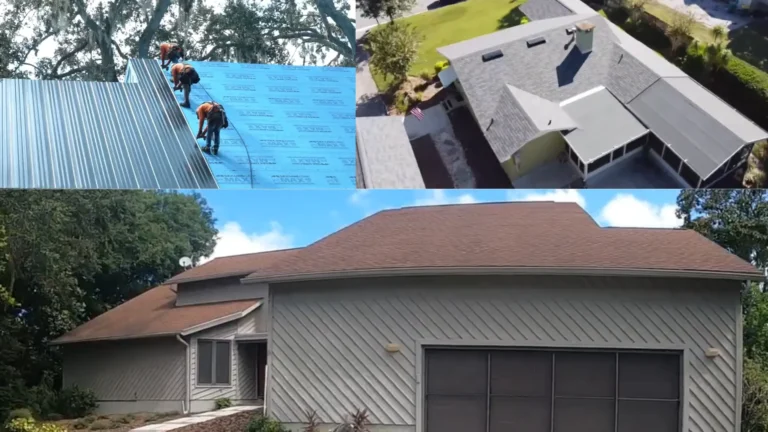
Roof Replacement Cost in Gainesville, FL – Complete 2026 Guide
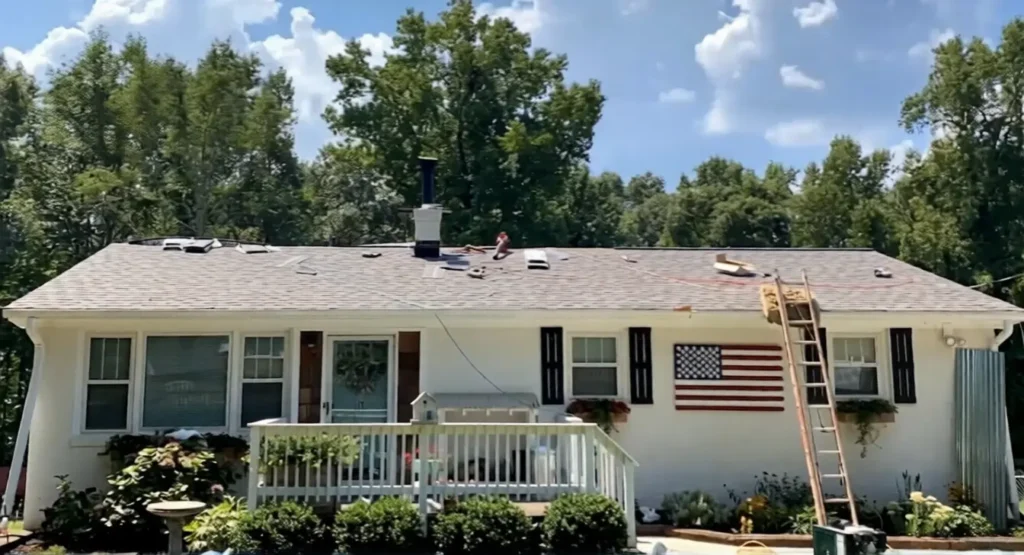
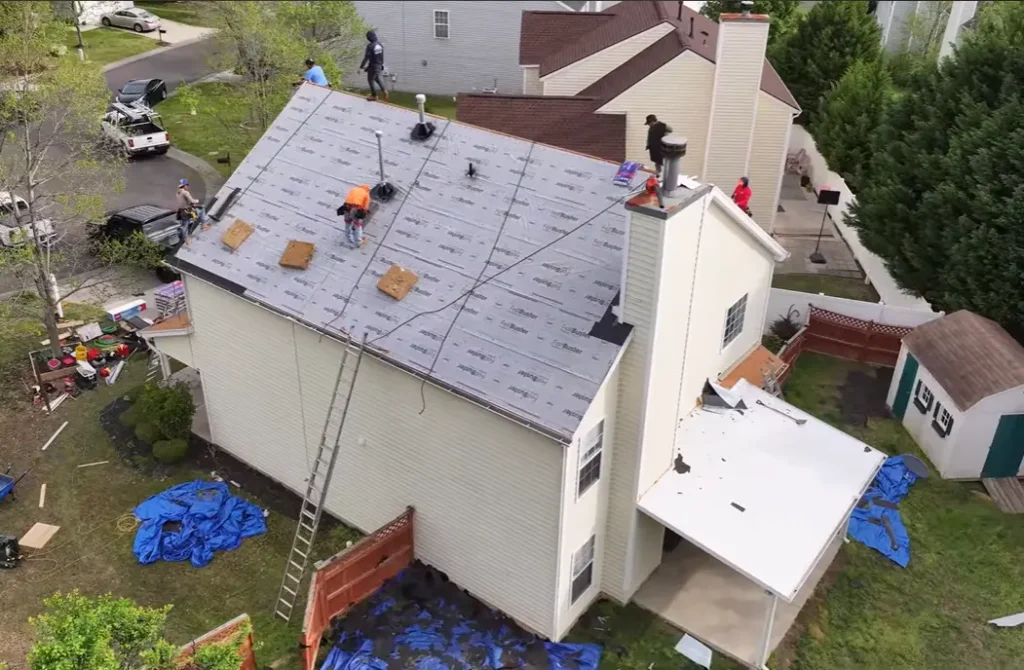
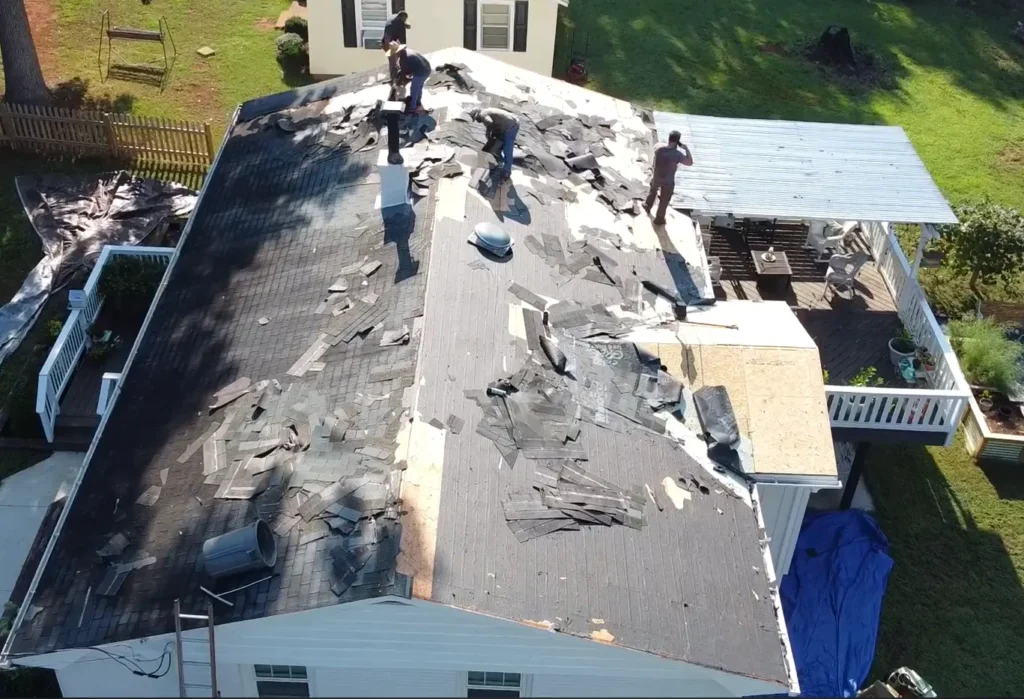
Replacing a roof in Gainesville, FL is one of the largest investments a homeowner or property owner will make. Whether you own a single-family home near Kanapaha or a retail building off SW 34th Street, the cost depends on materials, roof size, roof type, and local climate factors. Understanding what drives pricing helps you plan your budget, ask the right questions, and avoid overpaying.
Average Roof Replacement Cost in Gainesville, FL
Most Gainesville homeowners pay between $9,500 and $22,000 for a full residential roof replacement. Smaller homes typically fall in the $8,000 to $14,000 range. Larger homes with complex rooflines often run $18,000 to $28,000 or more. Commercial roof replacements in Gainesville and Marion County start around $25,000 and scale with square footage, material choice, and code requirements.
Gainesville’s humid subtropical climate pushes asphalt shingles to wear faster than in drier states. UV exposure, tropical storms, and high humidity combine to reduce roof lifespan. Choosing the right material for local conditions directly affects your long-term cost per year of protection.
Cost of Asphalt Shingle Roof Installation
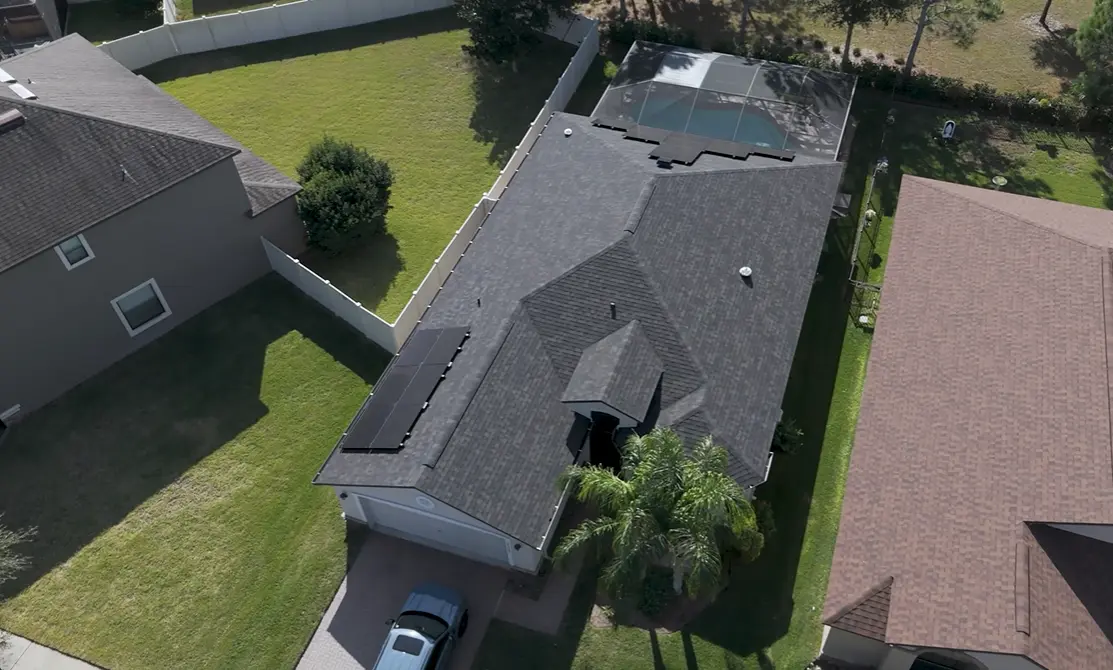
Asphalt shingles remain the most popular choice for residential homes across Gainesville, from Haile Plantation to Hoggetowne and Tioga. They install quickly, cost less upfront, and come in a wide range of colors and styles. Most residential shingle replacements finish in one to three days.
Average installed cost: $4 to $7 per square foot. A 1,800 to 2,200 square foot home runs $8,000 to $15,000 for architectural shingles. 3-tab shingles cost less but wear faster in Florida’s climate. We replaced the roof on a two-story home near Depot Park in Gainesville. The homeowner chose Class 4 architectural shingles rated for 130 mph winds. The project finished in three days. The family gained better storm protection and a 7 percent insurance discount immediately.
Cost of Metal Roof Installation
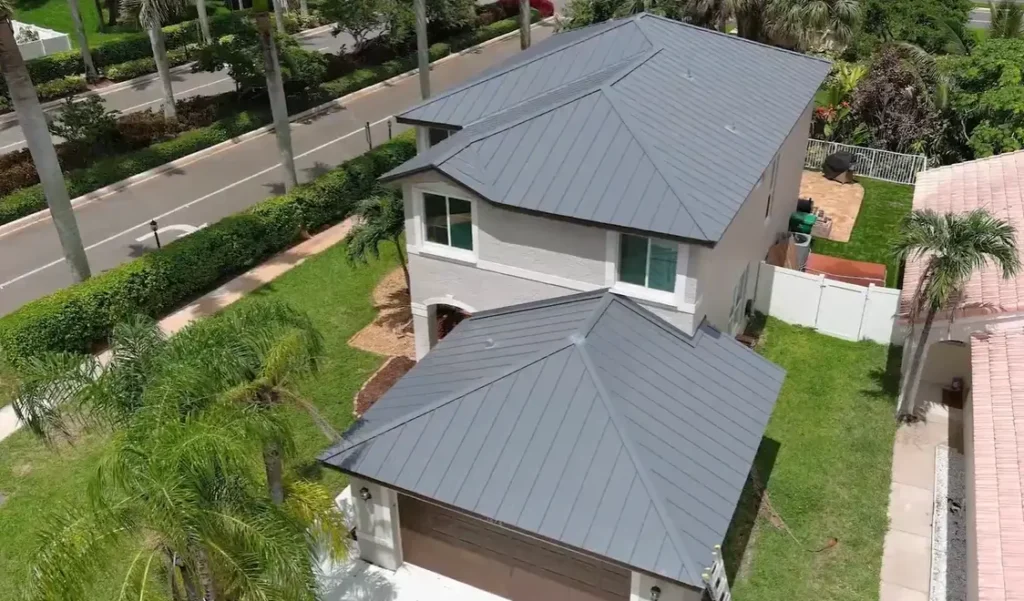
Metal roofing grows in popularity across Gainesville, Ocala, and the surrounding counties. Homeowners in Newberry, High Springs, and communities throughout Levy County choose metal for its lifespan, energy efficiency, and hurricane resistance. Commercial property owners along Tower Road and SW 13th Street in Gainesville use standing seam metal on office buildings and light industrial facilities for the same reasons.
• Standing seam metal roof: $12 to $20 per square foot
• Exposed fastener panels: $7 to $12 per square foot
• Stone-coated steel: $10 to $16 per square foot
A commercial property owner in Silver Springs Shores near Ocala replaced an aging flat roof on a 6,200 square foot warehouse with a standing seam metal system. The project took 12 days with a certified crew. Energy costs dropped, and the building now meets current Florida wind load codes, lowering the owner’s annual insurance premium.
Cost of Tile, Wood Shake, and Slate Roofs
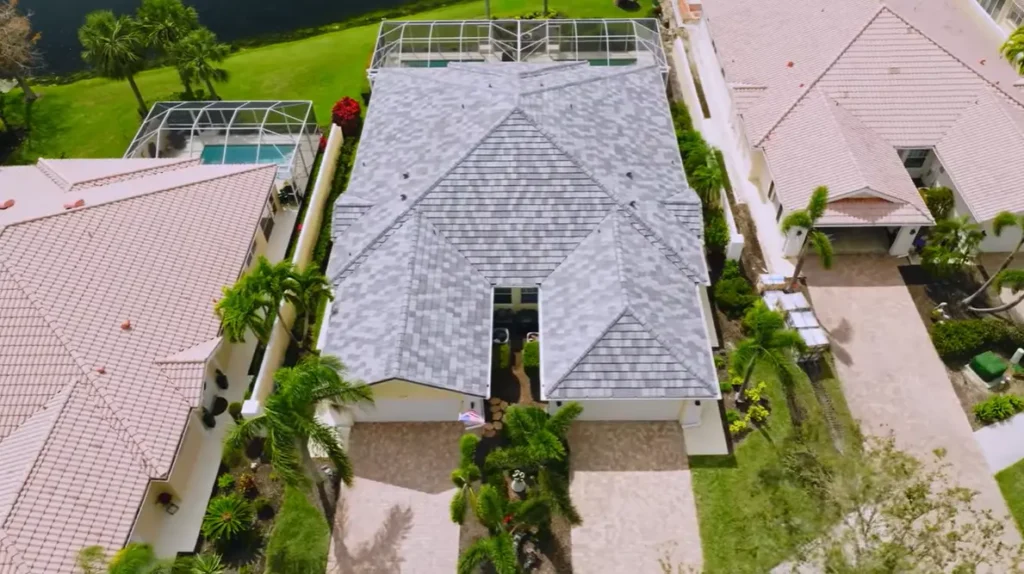
Tile roofs appear on upscale residential homes and premium commercial properties. Concrete tile costs $14 to $22 per square foot installed. Clay tile runs $18 to $28. Both handle Florida heat well but require reinforced decking due to weight. Wood shake costs $10 to $18 per square foot but demands more maintenance against humidity and algae in this climate. Slate sits at $20 to $35 per square foot and suits historic or specialty properties in older sections of Gainesville and Ocala.
Cost of Flat Roofs and TPO Roofs
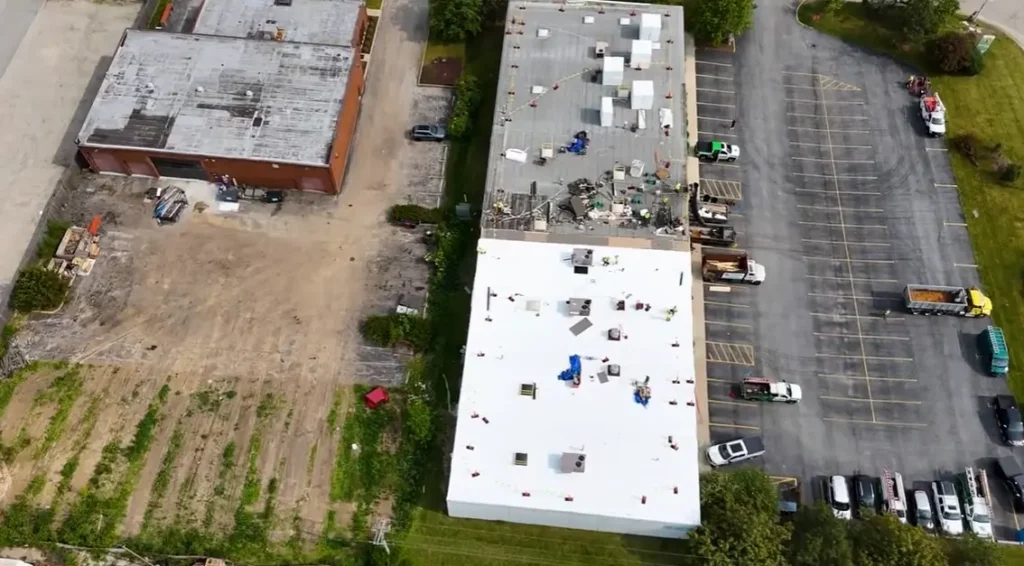
Flat roofing systems are standard for commercial buildings, medical offices, and modern residential additions throughout Marion County and Gainesville’s commercial corridors. TPO (Thermoplastic Polyolefin) costs $5 to $10 per square foot and performs well under Florida’s intense UV load. EPDM and PVC systems range from $5 to $9 per square foot. These membranes handle heavy seasonal rain with minimal maintenance when properly installed with correct drainage slope.
Factors That Impact Your Roof Replacement Cost
Cost varies because every roof is different. Understanding these variables helps you read quotes accurately and avoid surprises when the bill arrives.
Roof Size, Square Footage & Shape
Roofing contractors price work by the square. One square equals 100 square feet of roof surface. A 2,000 square foot home typically requires 22 to 26 squares of material, accounting for pitch, overhangs, and waste. Complex roof shapes with multiple valleys, hips, or dormers require more labor and material than a simple gable or hip design. Commercial flat roofs in Ocala and Gainesville are easier to measure but require precise insulation and drainage design.
Roof Slope, Pitch, and Elevation
Steep roofs cost more to install. A pitch of 6:12 or higher adds 15 to 25 percent to labor costs due to safety equipment requirements and slower installation pace. Two-story homes throughout Newberry and Archer require extra time to move materials and maintain safe footing at elevation. Low-slope commercial roofs are easier to walk but demand careful waterproofing at every seam.
Roof Complexity & Design Features
Each chimney, skylight, vent pipe, or ridge detail requires custom flashing and precise cutting. Features like solar tubes or decorative cupolas extend labor time and add material cost. A recent project near NW 23rd Avenue in Gainesville involved an asphalt replacement with three skylights and two chimneys. The added complexity raised the project total by about 14 percent, but the homeowner gained a fully weathertight system that had been leaking for two seasons.
Type of Roofing Material
Material is the single biggest cost driver. Asphalt costs the least upfront. Metal, tile, and slate carry higher price tags but offer longer lifespans. For commercial projects in Gainesville and Marion County, TPO, PVC, and metal are the standard options. Each material also affects labor time, fastening method, and warranty terms.
Labor Costs in Gainesville, FL
Licensed roofing crews in Gainesville and surrounding areas typically charge $75 to $140 per hour. Florida’s Department of Business and Professional Regulation requires state licensing for roofing contractors, which filters out unlicensed operators and protects homeowners from liability. Commercial projects with certified crews, lift equipment, and multi-week timelines carry higher labor costs that reflect the complexity and responsibility involved.
Old Roof Removal & Disposal
Tear-off costs $1 to $3 per square foot for asphalt shingles. Tile and slate cost more due to weight and labor intensity. Most licensed contractors include disposal in their base estimate. Always confirm this in writing. Roofing debris disposal follows county regulations across Gainesville, Marion County, and Gilchrist County.
Local Permits, Codes, and Inspections
Gainesville, Marion County, and Columbia County all require building permits for roof replacements. Permit fees vary by project size and material type. Wind mitigation inspections are standard in North Central Florida and directly affect your insurance rate. A licensed local contractor handles the permit application, schedules inspections, and ensures your roof meets Florida Building Code requirements from day one.
Long-Term Cost Considerations
Upfront price is only part of the calculation. The right roof material saves money through reduced maintenance, lower energy bills, and better insurance terms over its lifespan.
Roof Lifespan: Shingles vs. Metal vs. Tile
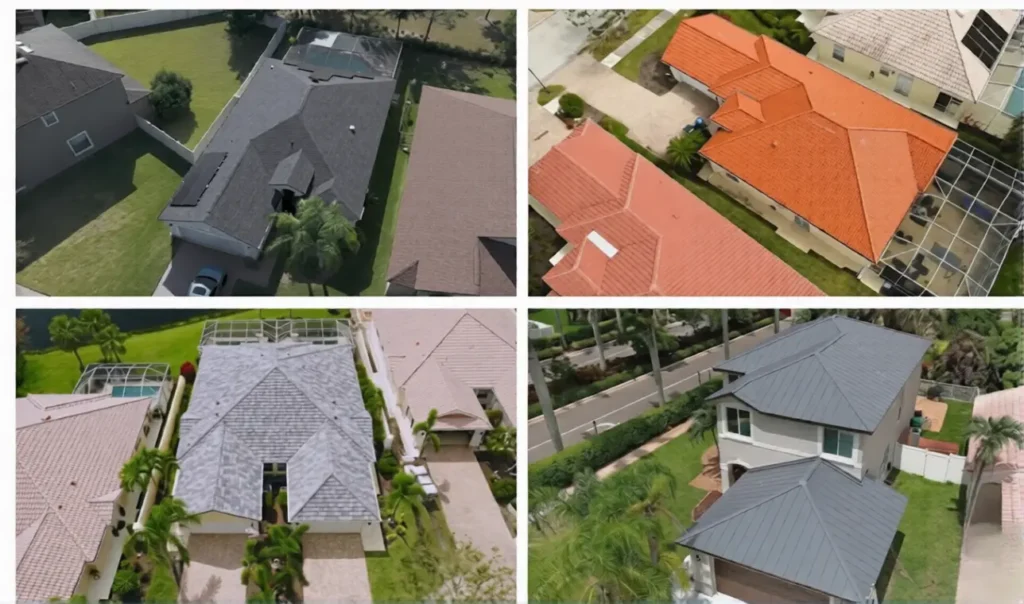
Asphalt shingles in Florida last 15 to 25 years, shorter than in cooler climates because of heat and UV intensity. Architectural shingles push closer to 30 years. Metal roofs last 40 to 70 years. Tile roofs, properly maintained, reach 50 years or more. Choosing a material with a longer lifespan reduces your cost per year of protection and the total number of replacements you face as a property owner.
Energy-Efficient Roofing and Potential Savings
Reflective metal roofing and TPO membranes cut attic temperatures significantly during Gainesville’s long, hot summers. Many homeowners and commercial property managers see a 10 to 20 percent reduction in cooling costs after switching from dark asphalt shingles to a reflective system. Architectural shingles with reflective coatings offer a middle-ground option for residential budgets. Over time, energy savings offset a meaningful portion of the higher upfront cost.
Wind & Hurricane Resistance Costs in Florida
Florida building codes require roofs to meet specific wind load ratings. In Putnam County and Levy County, older homes may need full wind mitigation upgrades to meet current standards. Class 4 impact-resistant shingles and standing seam metal panels cost more at installation but reduce storm damage risk, limit insurance claims, and protect your home when hurricane season arrives. Hurricane straps, reinforced decking, and upgraded flashing add to the replacement cost but deliver measurable safety and compliance benefits.
Roof Insurance Discounts for Metal Roofing
Florida insurers reward durable roofing choices. Metal roofs and Class 4 shingles often qualify for 5 to 20 percent annual premium reductions. A homeowner in Gainesville who switches from a 20-year-old asphalt roof to a standing seam metal system can realistically see enough insurance savings over 10 years to offset a significant part of the higher installation cost. Always request a wind mitigation report from a licensed inspector after installation and submit it to your insurer.
Roof Replacement vs. Roof Repair
Homeowners across Gainesville and throughout Marion County ask this question constantly: repair or replace? The answer depends on roof age, extent of damage, and long-term ownership plans.
Signs You Need a Roof Replacement in Gainesville
- Missing or Damaged Shingles: Cracked, curled, or missing shingles let water reach the underlayment and decking below. A few shingles after a storm may be repairable. Widespread damage signals system failure.
- Water Leaks or Stains: Ceiling stains and attic moisture point to underlayment failure or failed flashing. Leaks from multiple locations indicate the roof system is failing, not just a single spot.
- Sagging Roofline: A sagging ridge or section points to structural damage in the decking or rafters. This requires full assessment, not patching.
- Moss and Algae Growth: North Central Florida’s humidity breeds algae and moss fast. Left untreated, both trap moisture against shingles and accelerate wear and granule loss.
- Excessive Age or Wear: Any asphalt shingle roof over 20 years in this climate deserves a professional inspection. Persistent granule loss, brittleness, or repeated leak history makes replacement the smarter financial choice.
Minor vs. Major Roof Repairs – Cost Comparison
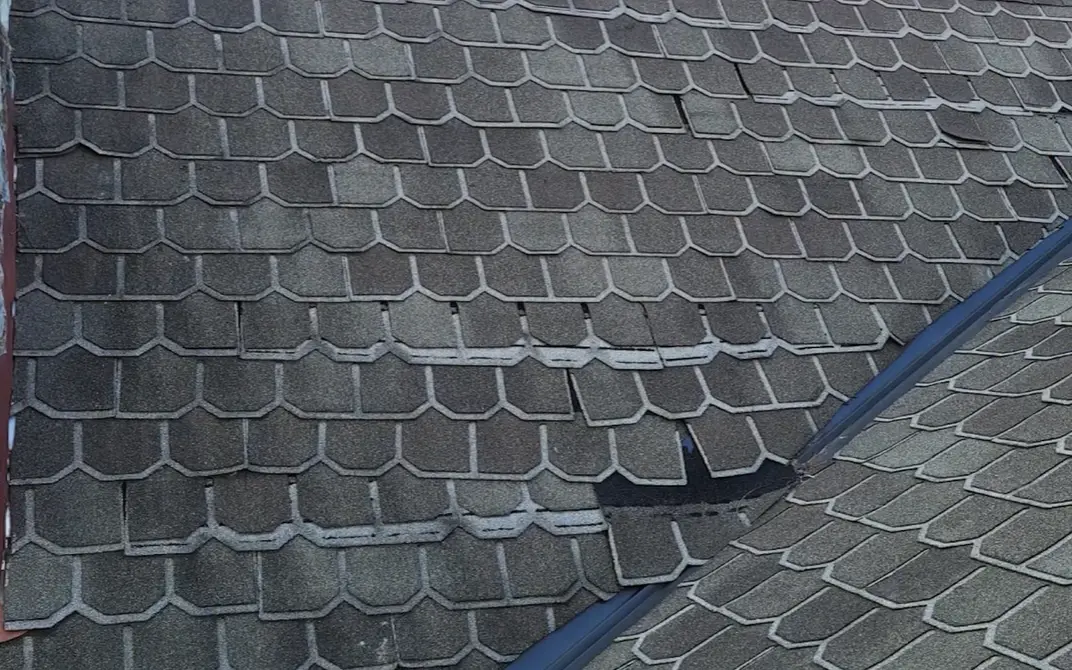
Minor repairs including shingle patches, flashing fixes, and pipe boot replacements cost $300 to $1,500. These work when the roof still carries 8 to 10 years of useful life. Full replacement on a 2,000 square foot residential home in Gainesville runs $10,000 to $18,000 for asphalt shingles. Commercial flat roof replacements in Ocala and Marion County for similar square footage cost $20,000 to $45,000, depending on material and insulation specifications. Repairing an aging roof repeatedly often costs more in three years than a single well-timed replacement.
How to Choose the Right Roofing Material
Material choice connects directly to your budget, local climate, building type, and how long you plan to own the property. Here is a clear breakdown of each option for Gainesville homeowners and commercial property owners.
Asphalt Shingles – 3-Tab vs. Architectural
3-tab shingles are thin, light, and economical. They suit budget-conscious projects but carry a shorter lifespan under Florida’s UV and wind conditions. Architectural shingles are thicker, heavier, and more wind-resistant. Most Gainesville roofing contractors recommend architectural shingles as the standard residential choice for value and durability in this climate.
Metal Roofing Options: Standing Seam, Exposed Fastener, Stone-Coated Steel
Standing seam panels offer the highest performance for both residential and commercial applications. Concealed fasteners prevent leaks and allow thermal expansion and contraction without compromising the roof. Exposed fastener panels cost less and install faster, making them practical for commercial outbuildings and agricultural structures in Levy County and Gilchrist County. Stone-coated steel delivers metal’s durability with tile-like aesthetics, a popular choice in neighborhoods with HOA appearance standards near Tioga and Haile Plantation.
Tile Roofing: Clay & Concrete
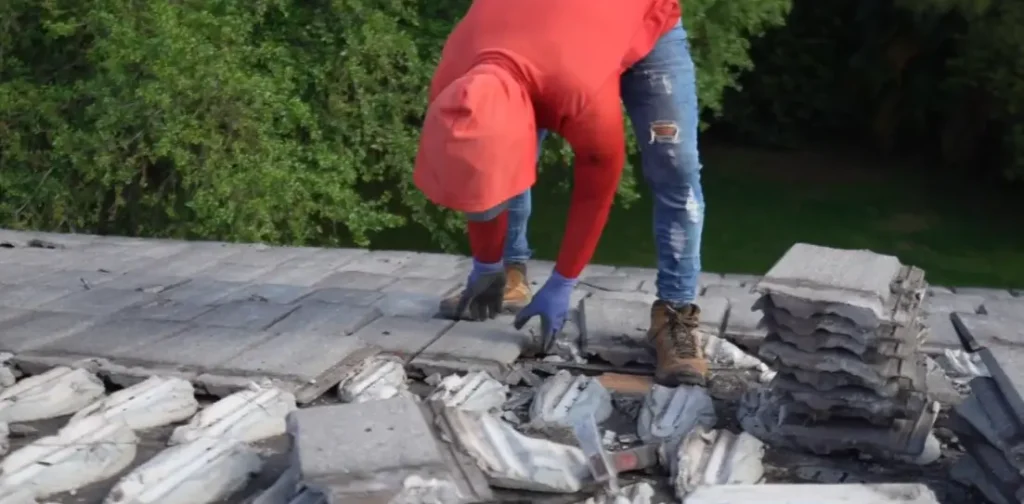
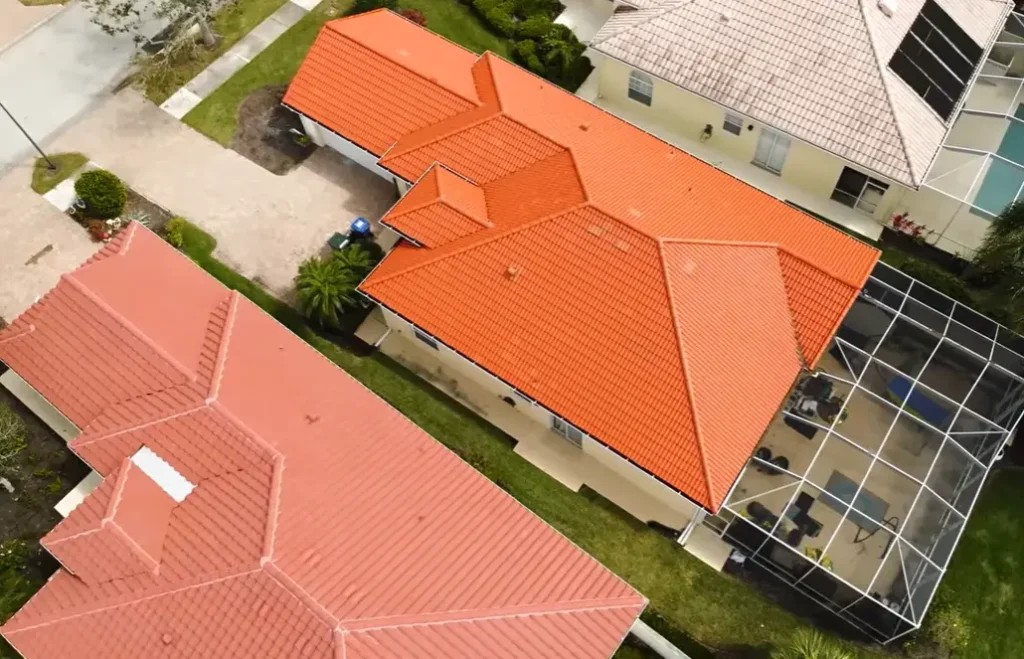
Clay tiles handle heat and moisture exceptionally well. They suit high-end homes and premium commercial properties in Gainesville and Ocala. Concrete tiles weigh more than clay but cost less and last 50 years or more with proper installation and maintenance. Both tile types require reinforced decking. Always factor in a structural inspection before committing to tile on a home built before 1995.
Flat Roofing Options: TPO, PVC, EPDM
TPO dominates commercial flat roofing in North Central Florida. Its heat reflectivity and factory-welded seam strength make it the top choice for office buildings, retail centers, and medical facilities from Gainesville to Marion County. PVC handles chemical exposure well, useful for restaurant or industrial buildings. EPDM is flexible and long-lasting, often used on smaller commercial additions or residential flat sections. All three systems require proper drainage slope design to prevent the water pooling that causes premature failure.
Roof Replacement Process in Gainesville, FL
Roof Inspection & Estimation
A licensed contractor walks the roof and the attic. They document shingle condition, flashing integrity, decking health, and ventilation performance. Estimators measure the roof’s square footage, pitch factor, and every penetration. Commercial estimators also assess drainage slope, existing insulation R-value, and code compliance under current Florida standards.
Material Selection and Ordering
Material orders go in early, especially before hurricane season when local demand peaks. Supply shortages during peak seasons delayed several Gainesville projects in 2024. Ordering early gives contractors flexibility on delivery and helps avoid weather-related delays.
Tear-Off vs. Overlay
A full tear-off removes all existing roofing down to the deck. This lets contractors inspect and repair any hidden damage before installation begins. An overlay installs new shingles over one existing layer. It costs less and installs faster, but adds weight, can trap moisture, and voids most manufacturer warranties. Most licensed Gainesville contractors recommend a full tear-off for any roof past 15 years or showing signs of underlayment failure.
Installation Steps and Timeline
Deck preparation comes first. Contractors repair or replace any damaged plywood or OSB. Next comes synthetic underlayment, then ice and water barrier in valleys and at eaves. Flashing goes around all penetrations and transitions. Shingles or panels install from the eave upward. Ridge caps, drip edges, and sealants complete the system. Residential asphalt shingle replacements in Gainesville typically take one to four days. Metal residential roofs take three to seven days. Commercial projects in Ocala and Gainesville’s commercial corridors take two to four weeks, sometimes longer depending on inspections and weather holds.
Final Inspection & Cleanup
A post-installation inspection checks every flashing point, fastener line, and ventilation component. Roofing teams sweep the property for nails and remove all debris. Gainesville and Marion County both require a final inspection sign-off for permitted work. This step closes the permit, confirms code compliance, and activates manufacturer warranties.
Extra Costs to Consider
Decking and Underlayment
Damaged plywood or OSB decking costs $2 to $4 per square foot to replace. Contractors cannot confirm decking condition until the old roof comes off. Budget a contingency allowance of $500 to $1,500 for potential decking repairs on any home built before 2000. Synthetic underlayment outperforms traditional felt. It resists tearing, dries faster, and provides better water resistance during installation. Most reputable Gainesville contractors include synthetic underlayment as a standard component.
Ice & Water Barrier
Gainesville sees minimal ice, but intense tropical rains justify ice and water barrier installation at eaves, valleys, and around all roof penetrations. The material costs $1.50 to $2.50 per square foot. It prevents water intrusion at the most vulnerable areas of any roof system, making it a worthwhile addition on any replacement project.
Fascia, Soffit, Flashing, and Pipe Boots
Rotted fascia boards cost $6 to $12 per linear foot to replace. Soffit runs $3 to $6 per linear foot. Flashing around chimneys or skylights costs $200 to $500 per penetration. Pipe boots, the rubber seals around plumbing vents, cost $50 to $100 each. These components prevent significant leaks and deserve careful attention on any replacement. Including them upfront avoids the cost of a second service visit six months later.
Structural Repairs or Reinforcements
Older homes in Gainesville, particularly those built before 1990, may need rafter reinforcement or truss upgrades. Wind code compliance under current Florida standards adds cost upfront but improves storm performance and can lower insurance premiums in Marion County and Putnam County. Contractors identify structural needs during the inspection phase before any material is ordered.
Financing & Cost-Saving Tips
Flexible Financing Options
Many licensed Gainesville and Ocala roofing contractors offer payment plans through roofing-specific lenders. Monthly payment options with fixed rates over 12 to 60 months make large projects manageable without draining savings. Some programs start at zero down for homeowners replacing energy-efficient or hurricane-resistant systems. Commercial property owners in Marion County often use business lines of credit or SBA programs for larger installations on retail or industrial properties.
How to Save on Roof Replacement
Schedule your replacement in late fall or early winter when demand eases and labor costs stabilize. Request itemized quotes from at least three licensed contractors and compare them line by line, not just total price. Combine roof replacement with fascia, soffit, or gutter work to reduce mobilization costs. Choose materials that qualify for Florida energy-efficiency rebates or wind mitigation credits. Buying from local suppliers in Gainesville or Ocala often reduces material delivery costs and lead times compared to national chains.
Insurance Coverage and Claims for Florida Roofs
Florida homeowners insurance covers storm, hail, and wind damage. Document your roof condition annually with photos. If a storm damages your roof, file your claim promptly and have a licensed contractor present during the adjuster’s inspection. Wind mitigation forms from licensed inspectors support your claim and can reduce your annual premium independent of any damage event. Our clients in Gainesville and Waldo have used wind mitigation upgrades and impact-resistant shingles to receive meaningful discounts and insurance credits that offset a portion of their replacement cost over time.
FAQs About Roof Replacement in Gainesville, FL
Choosing the Best Roofing Contractor in Gainesville
Licensed and Insured Roofers
Florida requires roofing contractors to hold a state license through the Department of Business and Professional Regulation. Always verify the license number before signing a contract. Ask for proof of general liability insurance and workers’ compensation coverage. These protect you from financial liability if anything goes wrong during the project. A contractor who hesitates to provide documentation is a contractor to avoid.
Reputation and Local Reviews
Check Google reviews and request references from recent local jobs. A contractor with completed work across Gainesville, Ocala, and surrounding areas like Levy County and Gilchrist County understands local code requirements, material performance in this specific climate, and the permit process for each municipality. Local experience is not a marketing claim. It shows in the details of how they prepare an estimate, schedule the job, and manage inspections.
Warranty Options – Labor & Materials
Reputable contractors offer a manufacturer warranty on materials and a separate workmanship warranty on their labor. Asphalt shingle manufacturers typically provide 25 to 50-year material warranties when installed by certified contractors. Look for contractors who offer at least a five-year labor guarantee. Commercial roofing systems often carry 10 to 20-year total system warranties when installed by certified crews using manufacturer-approved components. A contractor unwilling to stand behind their work in writing is not a contractor worth hiring.
Final Thoughts on Roof Replacement Costs in Gainesville, FL
Roof replacement in Gainesville is a serious investment in your home or commercial property. Material type, roof size, slope, and local code requirements all shape the final cost. Asphalt shingles remain the most practical and affordable option for most residential homes across North Central Florida. Architectural shingles provide better storm resistance and longer lifespan for a modest cost increase. Metal roofing delivers the best long-term value for homeowners who want durability, energy efficiency, and reduced insurance costs. For commercial properties from Marion County to Columbia County, TPO, PVC, and metal systems meet Florida’s building codes and energy standards while minimizing long-term maintenance.
Getting multiple itemized quotes, verifying contractor credentials, and understanding what drives your specific project cost puts you in control. We serve Gainesville, Ocala, Newberry, High Springs, Archer, Waldo, and communities across Levy County, Gilchrist County, and Marion County. Whether your project is a straightforward residential shingle replacement or a multi-week commercial flat roof installation, the same principles apply: use licensed contractors, choose materials suited to this climate, understand your warranty, and plan your budget with all cost factors accounted for.
A well-chosen roof, installed by a licensed professional who knows this area, protects your family, your property, and your financial future for decades.