Metal Roof vs Shingles in Gainesville, FL: The 2026 Homeowner’s Guide
Your roof takes the worst Florida can deliver. In Gainesville and Ocala, that means relentless UV exposure, high humidity, and a hurricane season that tests every roofing material on the market. The wrong choice costs you money, comfort, and peace of mind.
At Mac Johnson Roofing, we install both metal roofing and asphalt shingles across Alachua County and Marion County. We serve residential homeowners and commercial property owners in Gainesville, Ocala, Newberry, Archer, Micanopy, Waldo, and High Springs. Our job is to help you pick the right roof for your property, not the most expensive one.
Here is what you need to know before you decide.
Understanding Your Roofing Options
What Are Asphalt Shingles?
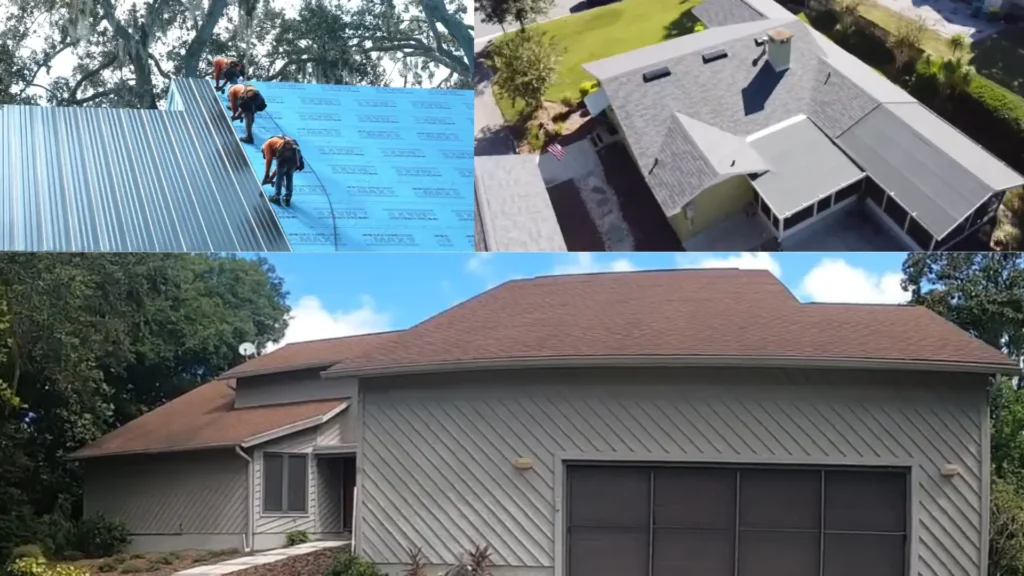
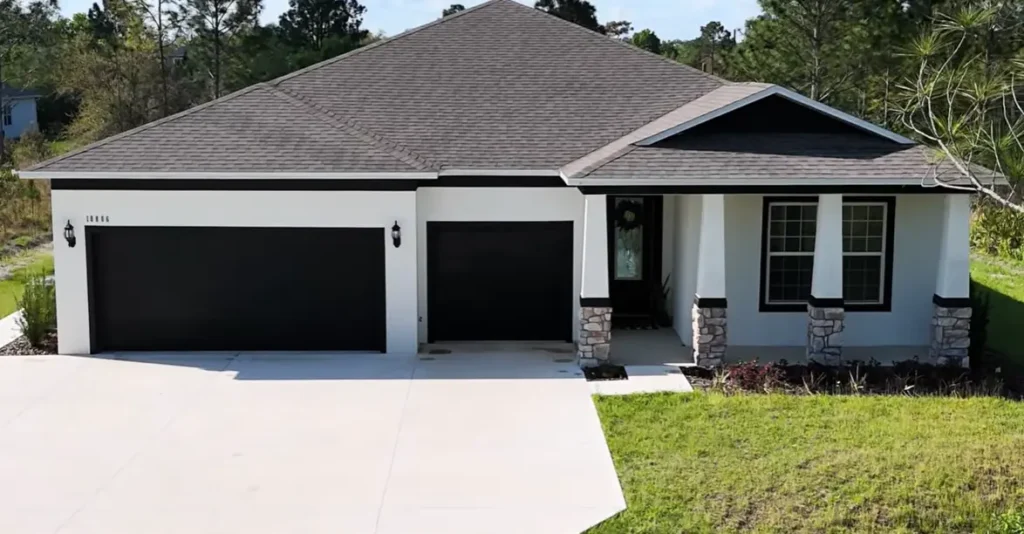
Asphalt shingles are the most widely used roofing material across Gainesville and Alachua County. They consist of a fiberglass mat coated with asphalt and topped with mineral granules. Those granules resist UV damage and shed water off the roof surface.
Three main types exist. Three-tab shingles are the most affordable. Architectural shingles add thickness and texture with a longer rated lifespan. Luxury shingles mimic slate or cedar shake at a fraction of the weight.
Homes in Duckpond, Midtown, and the Celebration Pointe corridor carry shingle roofs installed in the 1990s and early 2000s. With proper attic ventilation and maintenance, many lasted close to their rated lifespan. Florida’s UV intensity and humidity, though, accelerate granule loss faster than northern states. Shingles also work well for smaller commercial properties and rental units throughout Alachua County and Marion County.
What Is Metal Roofing?
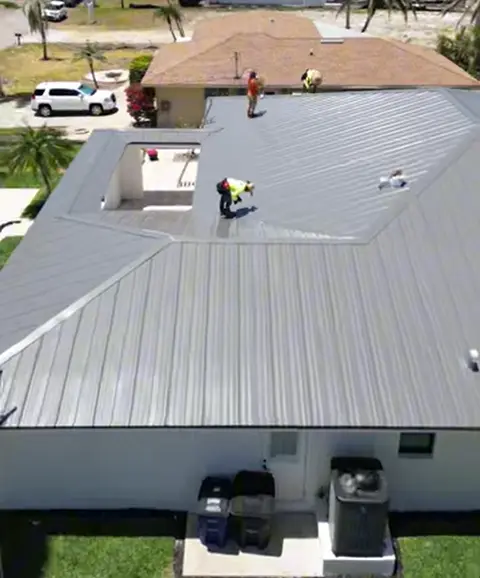
Metal roofing has grown significantly across Gainesville and Ocala over the past 15 to 20 years. Steel, aluminum, and zincaluminum panels are the most common systems. Two main installation styles exist.
Standing seam metal roofing uses concealed fasteners and panels that interlock along raised seams. This creates a continuous watertight barrier that performs well under storm conditions and requires minimal maintenance over its lifespan.
Exposed fastener systems cost less upfront. Screws are visible and attach panels directly to the decking. These systems need fastener inspection every 10 to 15 years because rubber washers degrade over time.
Stone-coated steel is a third option. It mimics clay tile or slate in appearance but weighs significantly less. Commercial property owners along Archer Road and in Ocala’s SW 17th Street corridor often favor metal roofing for its long lifespan and low maintenance profile. A properly installed metal roof handles sustained winds above 140 mph, resists hail impact, and holds up under Florida’s intense UV exposure without cracking or curling.
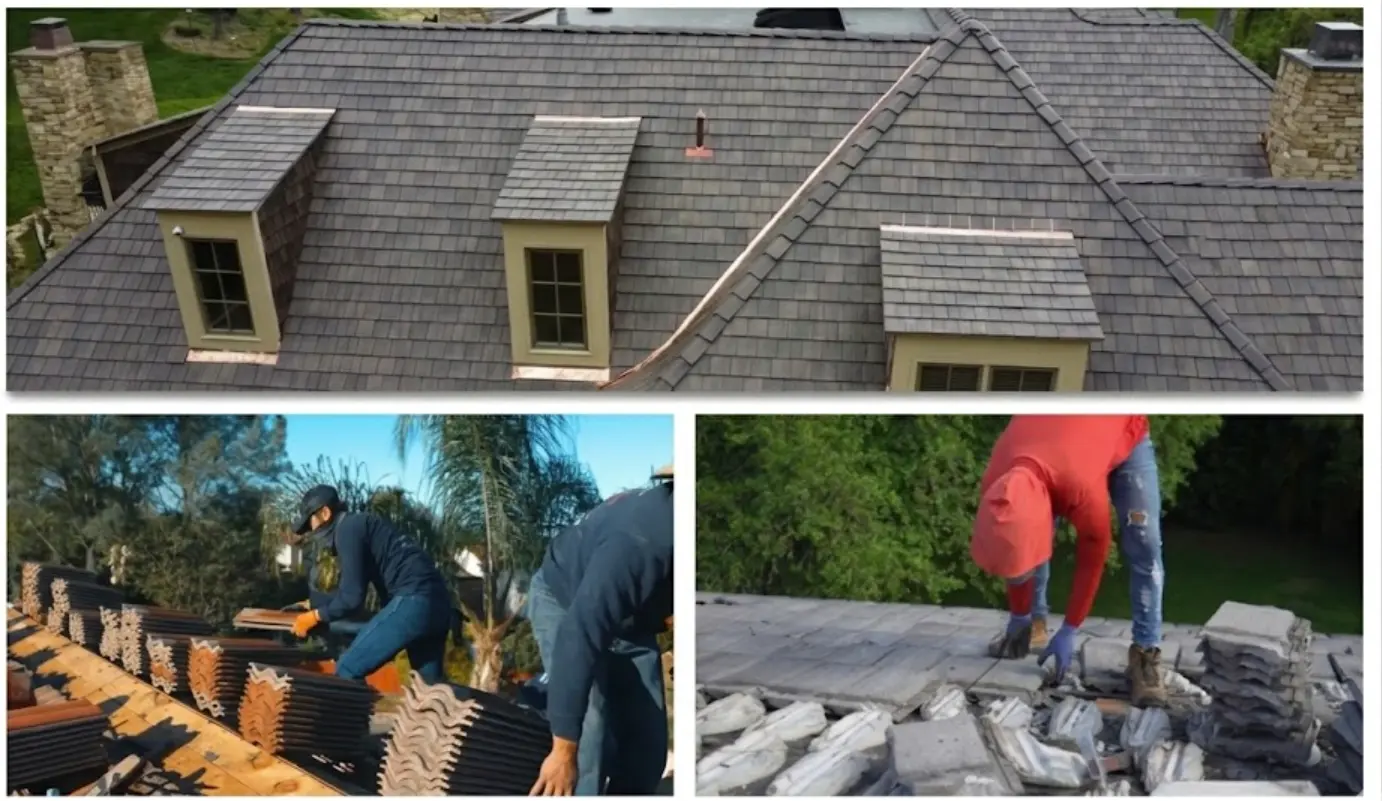
Other Materials Homeowners Consider
Some Gainesville and Ocala homeowners explore clay tile, concrete tile, synthetic composite, or flat roofing systems. Clay and concrete tile offer impressive durability on Spanish-style homes but require structural reinforcement due to weight. Flat roof systems including TPO and modified bitumen serve commercial buildings well across both markets. Synthetic roofing mimics premium materials with lighter weight and lower maintenance cost.
Most homeowners reviewing cost, lifespan, and Florida performance data land on metal or shingles. That comparison is where the real decision gets made.
Key Differences Between Metal Roofs and Shingles
Material Composition and Structure
Asphalt shingles are flexible and straightforward to install. Most Gainesville homes built between 1985 and 2010 used standard architectural shingles. The material performs adequately but ages faster in humid subtropical climates like North Central Florida.
Metal panels resist Florida humidity and UV damage far better. They do not absorb heat the same way asphalt does. They also resist mold and algae growth better, which matters in wooded neighborhoods like Newberry and Micanopy where organic debris collects quickly on roof surfaces.
Longevity and Lifespan
Asphalt shingles in Gainesville and Ocala typically last 15 to 25 years. Florida’s heat accelerates granule loss from the start. Metal roofs last 40 to 70 years with minimal upkeep. Some high-quality steel systems go longer.
A homeowner near Depot Park replaced a 19-year-old shingle roof after repeated granule loss and two storm repairs within four years. They chose a standing seam metal system. Two full storm seasons later, no leaks, no repairs needed. That gap in lifespan changes the long-term cost calculation completely.
Weather Resistance: Wind, Hail, and Florida Storms
Gainesville and Ocala both see tropical storm conditions regularly. Asphalt shingles with proper nailing patterns resist winds up to 110 mph. Class 4 impact-resistant shingles improve hail protection and qualify for insurance discounts in Florida.
Metal roofs withstand winds above 140 mph. Standing seam systems eliminate exposed fasteners that fail under uplift pressure. Water drains quickly off metal panels. Shingles can curl, crack, and lift under sustained wind loads during hurricane season.
Energy Efficiency and Sustainability
Metal roofing reflects solar radiation instead of absorbing it. Attic temperatures stay lower during Gainesville’s long, intense summers. HVAC systems work less. Energy bills drop. Homeowners in Kanapaha and throughout Ocala with metal roofs consistently report lower summer cooling costs.
Asphalt shingles absorb heat, especially darker colors. Attic temperatures rise faster, increasing demand on air conditioning systems. Metal roofing is also more eco-friendly. Most panels contain recycled content and are fully recyclable at end of life. Asphalt shingles largely end in landfills.
Cost Comparison: Metal vs Asphalt Shingles
Initial Installation Costs in Gainesville and Ocala
Long-Term Value and ROI
Metal roofing delivers stronger long-term return on investment. You replace asphalt shingles two to three times over the life of one metal roof.
One commercial property owner in Ocala with four rental units switched from shingles to a standing seam metal system across all buildings. Initial investment was higher. Maintenance calls dropped significantly within the first year. After three years, reduced repair costs and fewer storm-related vacancies covered a large portion of the upgrade cost.
Maintenance Costs Over Time
Asphalt shingles need inspection twice a year and after major storms. Debris removal, moss treatment, and minor repairs are routine. Homes near wooded areas in Newberry and Micanopy need more frequent attention. Repair costs average $200 to $500 every few years.
Metal roofs need far less attention. A yearly visual check and cleaning as needed usually covers it. Exposed fastener systems need screw inspection every decade to verify washer integrity.
Insurance Benefits and Potential Savings
Florida insurance carriers look closely at roofing materials and age. Metal roofs with verified wind resistance ratings often qualify for premium discounts of 5 to 20 percent in Alachua County and Marion County. Class 4 asphalt shingles can also qualify. Standard architectural shingles typically do not. After recent hurricane seasons, Florida carriers have tightened standards around older shingle roofs significantly.
Financing Options for Florida Homeowners
Most licensed Florida roofing contractors offer payment plans. Some homeowners combine insurance claim proceeds with contractor financing to upgrade from shingles to metal. Metal roofs paired with solar panels may qualify for federal energy credits. Ask for a full itemized breakdown before signing any contract.
Pros and Cons of Metal Roofs
Pros: Durability, Energy Efficiency, Aesthetics, Resale Value
Metal roofing suits long-term homeowners, commercial property owners, and anyone who wants maximum storm protection with minimal ongoing maintenance.
Cons: Upfront Cost, Noise, Specialized Installation
Pros and Cons of Asphalt Shingles
Pros: Affordable, Easy Installation, Variety of Styles
Cons: Shorter Lifespan, More Maintenance, Weather Vulnerability
Local Insights for Gainesville and Ocala Homeowners
Durability Against Florida Weather
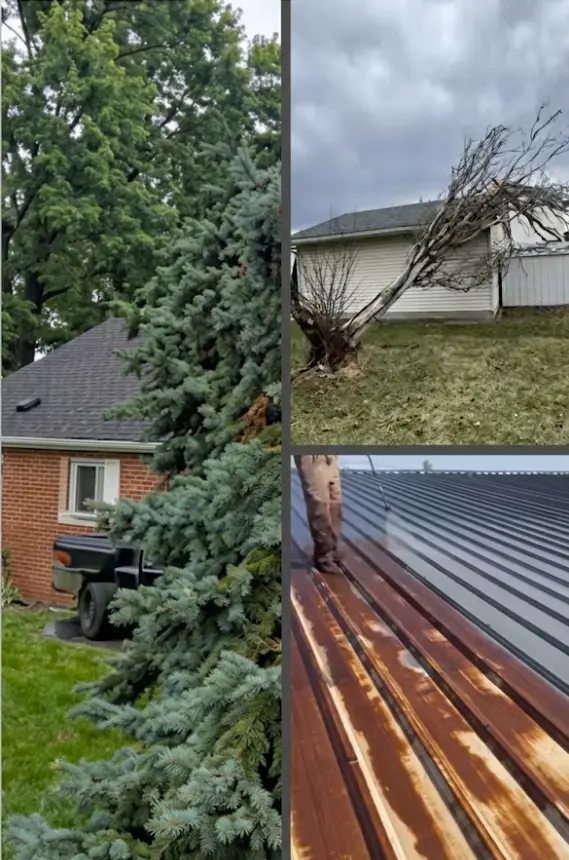
Gainesville is recognized as a Tree City. Dense oak canopy covers neighborhoods from Haile Plantation to Millhopper Road. That shade changes the roofing equation in a specific way.
Shaded metal roofs lose some of their energy efficiency advantage. They also collect debris and develop organic staining faster. In heavily shaded yards, quality asphalt shingles with anti-microbial granules often perform comparably to metal with less cleaning and maintenance.
In open areas with direct sun exposure, including newer developments near Tioga and communities along the Newberry Road corridor, metal roofing delivers its full energy savings potential. Open-lot commercial buildings benefit most from metal’s reflectivity.
Ocala’s climate in Marion County is similar to Gainesville’s but slightly drier. Homeowners face the same hurricane risk and UV intensity. Metal roofing performs consistently well across both markets.
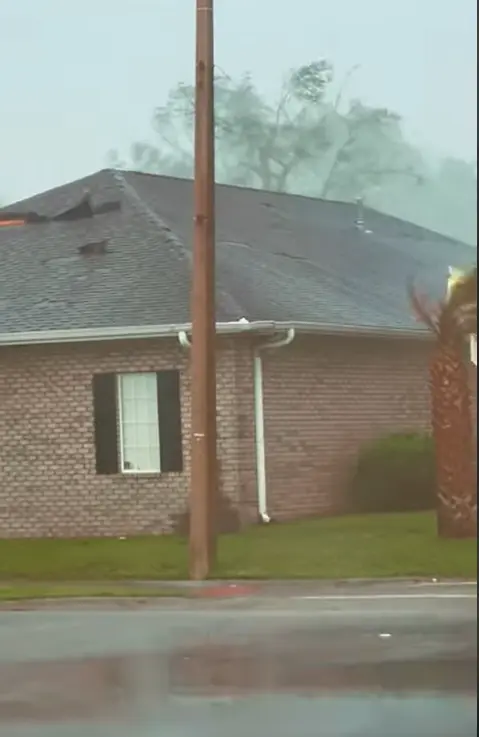
Hurricane and Storm Protection
Florida building code sets minimum wind resistance requirements for all roofing systems. Every licensed contractor must pull permits and install to current Florida Building Code standards. We meet that requirement on every job across Alachua County and Marion County.
Metal roofing’s wind uplift resistance is its clearest advantage in storm conditions. Standing seam systems eliminate the fastener failure points that cause blow-offs during sustained gusts. In areas like High Springs and Waldo, we see the difference clearly after strong storms pass through.
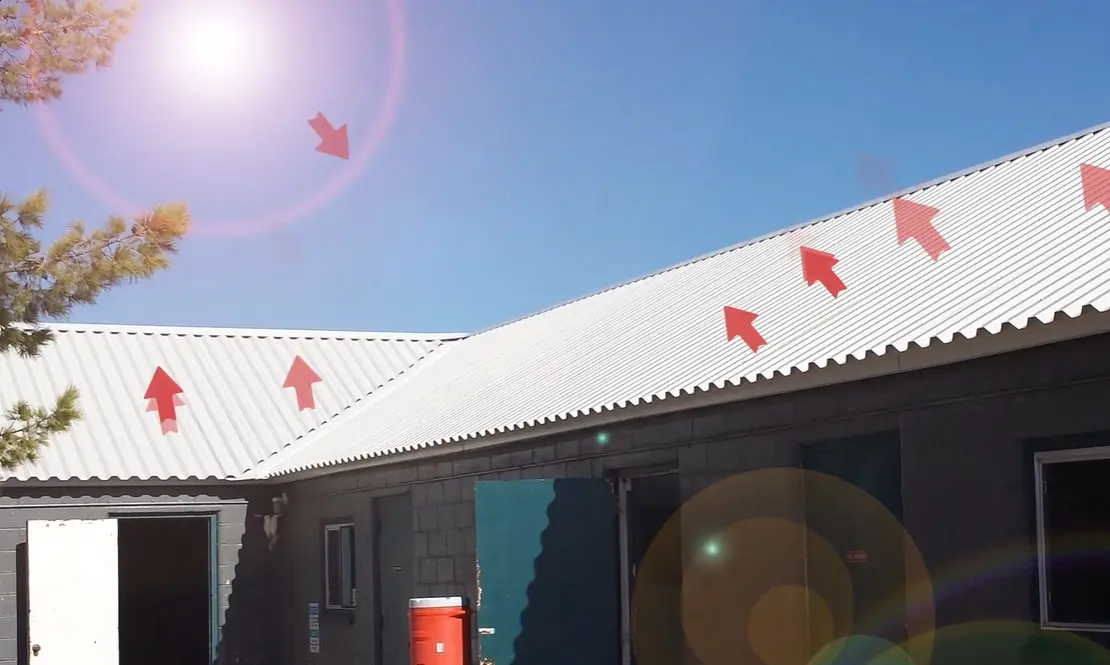
Summer Heat and Energy Efficiency
Gainesville and Ocala summers are long and intense. Roof choice affects indoor comfort more than most homeowners expect.
Metal roofing reflects solar radiation before heat transfers into your attic. Air conditioning systems run less. Monthly cooling costs drop. We installed a standing seam system for a homeowner near Butler Plaza with consistently high summer energy bills. Within the first full cooling season, they noticed a meaningful drop in monthly costs. Their home held temperature more consistently through afternoon heat peaks.
How to Decide Which Roof Is Right for You
Budget Considerations
Start with your real budget. Metal costs more upfront but delivers lower lifetime cost. Shingles allow lower initial spending but require replacement sooner. If you plan to stay 20 years or more, metal roofing usually earns its cost. If you plan to sell in the near future, quality architectural shingles protect your investment without the higher upfront price.
Home Design and Property Type
Shingles suit most traditional residential homes and blend well across Gainesville and Ocala neighborhoods. Metal roofing fits modern builds, farmhouse styles, and commercial structures. HOA rules in some Gainesville communities limit materials and colors. Check those requirements before you commit to any system.
Commercial property owners managing multiple units benefit especially from metal’s low maintenance and insurance advantages. Residential homeowners in wooded, shaded areas may find the value gap between metal and shingles narrower than expected.
Qualified Contractor Availability
Installation quality matters more than material choice. A poorly installed metal roof fails early. The same is true for shingles. Choose a licensed and insured contractor with verifiable local experience. Ask about manufacturer certifications, warranty terms, and completed projects in your area.
Frequently Asked Questions
Enhancing Your Roofing Investment
Extending Asphalt Shingle Life
If your shingles have a few good years remaining, roof rejuvenation treatments can extend their lifespan. Bio-based products restore oil content to aging shingles and slow granule loss. This works best on shingles in structurally sound condition without active leaks or damaged decking.
When repair costs climb repeatedly, replacement makes more financial sense than continued patching. Warning signs include curling shingle edges, widespread granule loss, soft or spongy decking, and repeated leaks after storms. We inspected a property near Newberry where the owner had spent more on patch repairs over five years than a full replacement would have cost. We replaced the system with architectural shingles and solved the problem.
Maximizing Resale Value with Metal Roofing
Metal roofing raises curb appeal and signals low maintenance to buyers across the Gainesville and Ocala real estate markets. Standing seam systems in neutral tones perform well in current market conditions. A strong roof reduces buyer negotiation pressure and supports faster sales timelines.
Local Contractor Insights
Choosing the Right Contractor
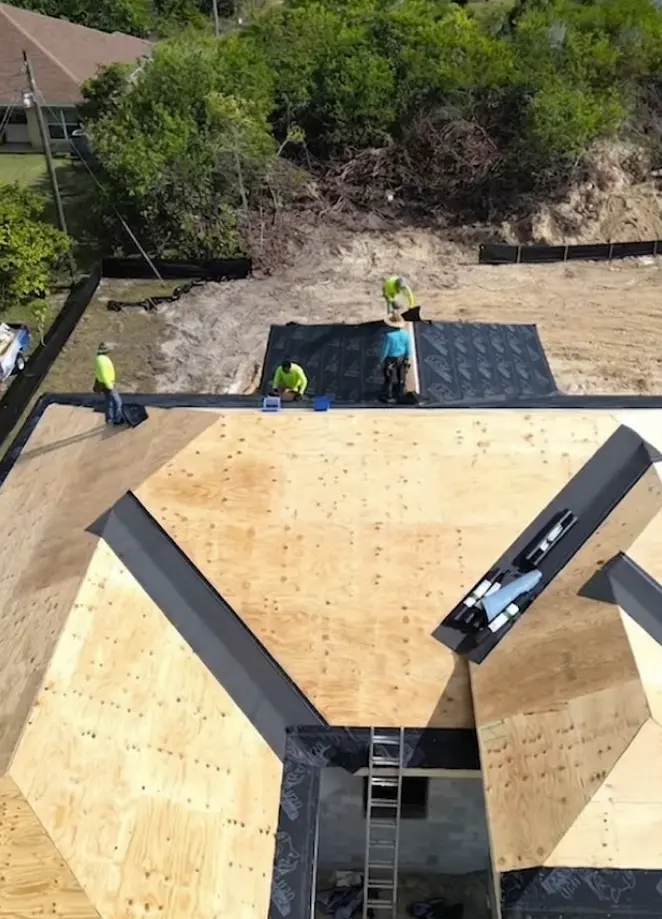
Installation quality matters more than material choice. Look for a Florida-licensed, fully insured contractor with verifiable local experience. Ask about manufacturer certifications, warranty coverage, and recent completed projects in your area. The cheapest quote often skips key components like proper ventilation, ice-and-water shield, or full flashing replacement.
Mac Johnson Roofing is licensed and insured in Florida. We install both metal and shingle systems for residential homeowners and commercial property owners in Gainesville, Ocala, Newberry, Archer, Micanopy, Waldo, and High Springs. We pull all required permits and install to current Florida Building Code on every project. We provide a detailed written estimate that covers materials, labor, underlayment, flashing, and cleanup.
Final Thoughts
Both metal roofing and asphalt shingles protect homes and commercial properties across Gainesville and Ocala every day. Neither is the automatic right answer for every property.
If lower upfront cost and flexibility matter most, shingles deliver real value. If long-term durability, storm protection, and lower maintenance are the priority, metal roofing earns its price over time.
One fact stays true regardless of which material you choose. A roof installed correctly by an experienced, licensed local contractor will always outperform any system put on wrong.
Mac Johnson Roofing installs both systems and gives straight answers. Call us (352) 772-4472 for a free roof inspection and an honest assessment of what your property actually needs.